Our Innovation


The science behind it
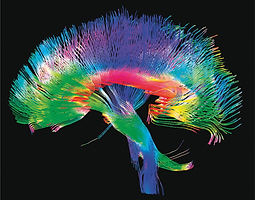
Your brain is made of thousands of connected nodes named neurons, cells that use electrochemical signals to talk to each other and allow your brain to think. Neurons link together in massive chains to form pathways, which is how your brain learns and remembers.
Many factors in life can cause neurons to die en masse, including trauma to the head and various diseases known as neurodegenerative diseases. When many neurons die, the pathways they've formed with other neurons are damaged, disrupting memories and impairing cognitive function.
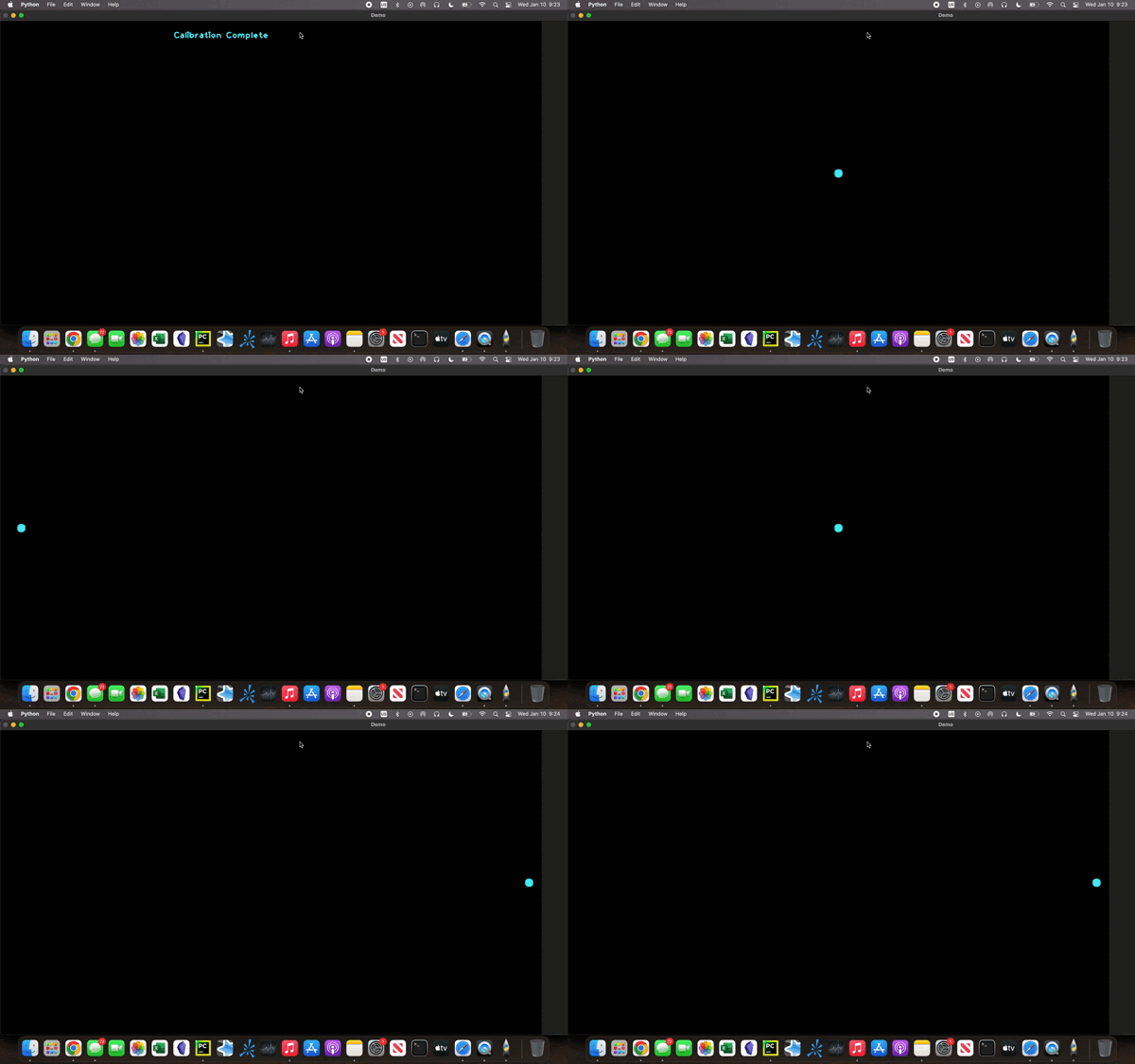
One such cognitive function is vision, which is commonly impaired when the brain has been damaged in some way. Abnormal response times or accuracy in visual tasks can therefore be used in detection of a brain that has suffered neuronal loss. One way we can measure these metrics is with a saccade, a type of visual test where a dot bounces from the center of the screen to either the left of the right.